
Window Replacement Cost vs Value: Smart Home Upgrades
Discover when to replace windows, review material options, and understand costs. Boost your home's value and energy efficiency with this practical guide.

By Margaret Lowe
Learn more about Window Installation for guides, costs, and what to expect.
Compare Window Installation Pros Near You

Enter your ZIP code to compare top-rated local professionals and request free quotes.
Your home's windows work harder than you might think. They frame your view, invite in natural light, and quietly stand guard against the elements. But when they start to fail, the signs become impossible to ignore: drafty rooms, skyrocketing energy bills, condensation between panes, or a frame that simply will not open. At that point, homeowners face a significant decision. This guide walks you through every critical aspect of the window replacement process, from recognizing the right time to act to choosing materials and finding the right contractor for the job.
When Is the Right Time for New Windows?
Knowing when to replace your windows is not always obvious. Unlike a broken appliance that stops working completely, windows degrade gradually. You might adjust to a slight draft or chalk up higher utility bills to the changing seasons. However, there are several clear indicators that your windows have reached the end of their useful life. Pay attention to these warning signs and you can avoid more costly damage to your home's structure or HVAC system.
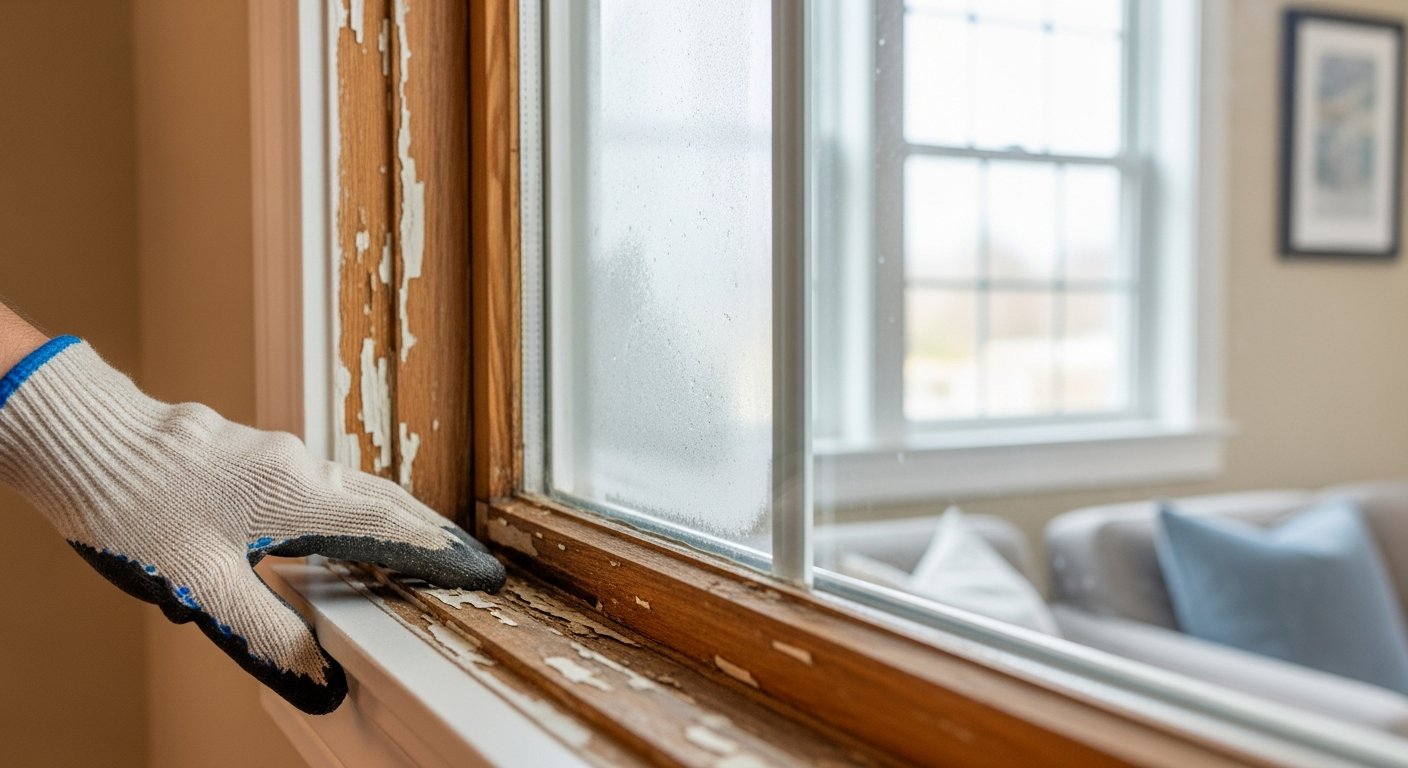
First, conduct a simple visual inspection. Look for rotting wood on the frame or sill, especially on older homes. Check the seal around the glass. If you see fog or moisture trapped between the panes, the seal has failed and the window has lost its insulating properties. Also, try opening and closing each window. If they stick, jam, or refuse to stay up, the balance system is worn out. These issues not only compromise comfort but also pose a security risk if a window cannot close properly.
- Drafts and air leaks felt near the frame, even when closed.
- Condensation or fog inside double-pane glass, indicating a broken seal.
- High energy bills that keep rising despite adjusting your thermostat.
- Visible damage such as cracks, warping, or rotting wood.
- Single-pane glass that offers little to no insulation.
If you notice any of these issues, a full replacement is likely the most cost-effective solution in the long run. While repairs can fix minor issues like a broken latch or a cracked pane, they cannot restore the energy efficiency of a modern, properly sealed window unit. For those interested in the broader scope of home improvements, understanding how windows fit into your overall renovation plan is crucial.
Understanding Window Replacement Costs
Cost is often the first question on any homeowner's mind, and for good reason. Window replacement is a substantial investment. The final price tag depends on several factors, including the number of windows, the frame material, the glass type, and the complexity of the installation. On average, homeowners can expect to pay anywhere from $450 to $1,500 per window, including installation. However, this is a wide range, and the specifics of your project will determine your final estimate.
The type of window frame you choose significantly impacts cost. Vinyl frames are the most budget-friendly, offering decent insulation and low maintenance. Aluminum frames are lightweight and durable but are less energy-efficient because they conduct heat and cold. Wood frames offer a classic aesthetic and excellent insulation but require more upkeep and come at a higher price point. Fiberglass frames are the premium option, offering superior durability and energy efficiency. Beyond the frame, the glass package adds to the cost. Double-pane glass with Low-E coatings and argon gas fills are more expensive but offer substantial energy savings over time, which can offset the initial investment.
To get a clear picture of your project's scope, consider getting multiple quotes from qualified professionals. A detailed estimate should include the cost of materials, labor, and disposal of the old windows. Remember that the cheapest quote is not always the best value. Proper installation is critical for ensuring your new windows perform as intended. A poorly installed window will leak air and water, negating any benefits of high-end materials. If you are planning a larger renovation, be sure to consider how window costs fit into your overall window replacement budget and planning.
Choosing the Right Window Materials
Selecting the right frame material is a balancing act between budget, aesthetics, durability, and energy efficiency. Each material has its own set of pros and cons, and the best choice for your home depends on your priorities and the local climate. Let's break down the most common options to help you make an informed decision.
Vinyl windows have become the most popular choice for many homeowners due to their affordability and low maintenance. They do not require painting and resist moisture, making them a practical option for many regions. However, vinyl frames can expand and contract with temperature changes, which can affect the seal over time. They also come in a limited range of colors, though many manufacturers now offer laminated vinyl in various finishes.
Wood and Clad-Wood Frames
For homeowners seeking a timeless, classic look, wood frames are a top contender. They offer excellent natural insulation and can be painted or stained to match any interior design. The downside is maintenance; wood is susceptible to rot and swelling if not properly sealed and painted. To address this, many manufacturers offer clad-wood windows, which feature a wood interior and an exterior cladding of aluminum or vinyl. This provides the beauty of wood inside and the low maintenance of a durable exterior material outside. While more expensive than vinyl, they offer superior aesthetics and durability.
Fiberglass and Composite Frames
Fiberglass frames are a high-performance option that is quickly gaining popularity. They are incredibly strong, durable, and have excellent thermal performance. Fiberglass expands and contracts at a rate similar to glass, which helps maintain a tight seal. They can also be painted, offering great flexibility in color matching. Composite frames, made from a mixture of materials like wood fibers and polymers, offer similar benefits. These options are typically the most expensive but are designed to last for decades with minimal maintenance.
Energy Efficiency and the Impact on Your Home
The primary reason many homeowners invest in new windows is to improve their home's energy efficiency. Old, drafty windows can account for a significant portion of your heating and cooling costs. Modern windows are engineered with advanced technologies to minimize heat transfer, keeping your home comfortable in both summer and winter, regardless of the outdoor temperature.
When shopping for energy-efficient windows, look for the ENERGY STAR label. This certification ensures the window meets strict performance standards set by the U.S. Environmental Protection Agency. Key features to look for include dual or triple-pane glass, Low-E (low-emissivity) coatings that reflect heat, and insulated frames. Gases like argon or krypton are often used between panes to provide an additional layer of insulation. These features work together to reduce the amount of heat that escapes in the winter and enters in the summer, which directly translates to lower monthly utility bills and a smaller carbon footprint.
Beyond the immediate savings on your energy bills, new windows can dramatically increase the comfort of your living space. They eliminate cold spots near windows and reduce outside noise, creating a quieter, more serene home environment. For a deeper dive into how these upgrades contribute to a more efficient home, you can trust the pros with your window replacement project to ensure you get the maximum benefit from these energy-saving technologies.
The Installation Process: What to Expect
A successful window replacement project is about much more than just picking out a good product. The quality of the installation is just as important. A skilled installer ensures that the new window is properly fitted, sealed, and insulated, which is essential for performance and longevity. The process typically involves several steps, from the initial measurement to the final cleanup.
The first step is an accurate measurement of the rough opening. This is not a job for guesswork; a window that is even slightly too small will leave gaps, while one that is too large will not fit. A professional contractor will measure the width and height at multiple points to account for any irregularities in the frame. After ordering, the installation day begins with removing the old window and the interior casing. The contractor will then inspect the opening for any water damage or rot that needs to be addressed before the new window is set into place.
- Removal: The old window and its frame are carefully extracted, minimizing damage to the surrounding wall.
- Preparation: The opening is cleaned, and any necessary repairs to the framing or sill are made.
- Installation: The new window is set in the opening, leveled, and shimmed to ensure it is perfectly square and plumb.
- Insulation: The gaps around the window are filled with low-expanding foam insulation to provide a tight, energy-efficient seal.
- Finishing: The window is secured with nails or screws, and the interior and exterior trim is replaced or installed.
After the installation, it is crucial to inspect the work. Check that the window opens and closes smoothly, locks correctly, and that there are no visible gaps or drafts. A good contractor will also ensure the work site is clean and will walk you through the warranty information for both the product and the installation labor. This attention to detail is what separates a professional job from a DIY disaster.
DIY vs. Professional Installation
The temptation to save money by installing windows yourself is understandable. The labor costs associated with window replacement can be substantial. However, window installation is a complex task that requires specialized skills and tools. Mistakes can be costly, leading to air leaks, water intrusion, and structural damage that is far more expensive to fix than the cost of professional installation.
Professional contractors bring a level of expertise and efficiency that is hard to replicate. They are familiar with local building codes and permit requirements, ensuring your project is compliant. They also have access to the right tools and materials, and they know how to handle unexpected issues, such as discovering rotted framing after the old window is removed. Moreover, most window manufacturers require professional installation to validate the warranty. Attempting a DIY installation can void the warranty on an expensive product, leaving you unprotected if something goes wrong.
Ultimately, choosing a professional is about protecting your investment. It ensures the job is done right the first time, providing you with peace of mind and a window system that will perform as intended for years to come. When you request a quote from a vetted contractor, you are not just paying for labor; you are paying for their experience, accuracy, and accountability.
Beyond the Basics: Additional Considerations
Once you have selected your windows and chosen an installation method, there are a few more details to consider to ensure your project goes smoothly. These include understanding the warranty, preparing your home for the installation day, and thinking about the long-term maintenance of your new investment.
First, never overlook the warranty. A comprehensive warranty should cover both the glass and the frame for a significant number of years. It is also wise to ask about the warranty on the installation workmanship. A contractor who stands behind their work will offer a labor warranty as well. Make sure you understand what is covered and what is not, such as damage from improper use or severe weather events. Keep all your paperwork in a safe place for future reference.
On the day of installation, be prepared for a bit of disruption. The work area should be cleared of any furniture or breakable items. The crew will likely need to access the outside of your home, so make sure there is a clear path to the windows. While the installation of a single window can often be completed in a few hours, a whole-house replacement might take several days. Ask your contractor for a timeline in advance so you can plan accordingly. After the work is done, a little bit of routine maintenance, such as cleaning the tracks and checking the weather stripping, will keep your new windows operating smoothly for a long time.
Replacing your windows is a significant decision, but it is one of the most effective home improvements you can make. It enhances curb appeal, increases comfort, reduces energy costs, and boosts your home's overall value. By understanding the process, materials, and costs involved, you can approach the project with confidence. Take your time to research, get multiple quotes, and choose a contractor you trust to bring your vision to life. With the right team and the right products, your new windows will be a source of comfort and pride for many years to come.