
What Is Full Home Renovation: A Complete Guide for Homeowners
Learn what full home renovation means, why it matters, common problems, costs, and how to choose a contractor. A complete guide for homeowners.

By Alex Carter
Learn more about Home Remodeling for guides, costs, and what to expect.
Compare Home Remodeling Pros Near You

Enter your ZIP code to compare top-rated local professionals and request free quotes.
You walk through your front door and stop. The kitchen cabinets are warped, the bathroom tile is cracked, and the living room carpet has seen better days. Maybe you’ve been living with these issues for months,or years,telling yourself you’ll fix them later. But later keeps coming, and the problems are getting worse. You’re not alone. Many homeowners reach a point where individual repairs no longer cut it, and the question shifts from “What should I fix next?” to “What is full home renovation?” A full home renovation isn’t just a single upgrade; it’s a complete transformation of your living space. If you’re wondering whether it’s time for a whole-house overhaul, this guide will help you understand what it involves, why it matters, and how to get started without the stress.
Understanding What Is Full Home Renovation
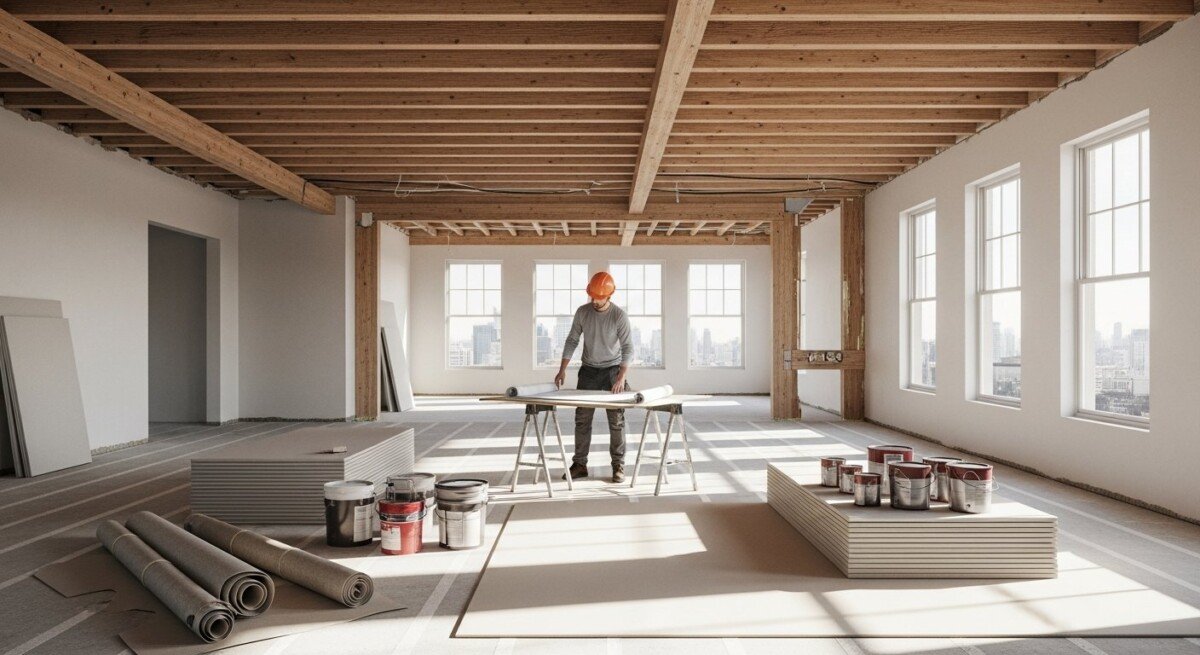
A full home renovation means gutting and rebuilding most,or all,of a home’s interior systems and finishes. This includes replacing flooring, cabinets, countertops, plumbing fixtures, electrical wiring, lighting, drywall, and often structural elements like walls or ceilings. It’s different from a simple remodel because it addresses the entire house, not just one room. In our complete guide on full home renovation, we explain how this process can turn an outdated, inefficient house into a modern, comfortable home.
Why do homeowners choose a full renovation? Common reasons include buying a fixer-upper, inheriting an aging property, or realizing that patchwork repairs have become unsustainable. Homes built before 2000 often have outdated electrical panels, inefficient windows, and worn-out plumbing that can’t keep up with modern demands. A full renovation allows you to address all these issues at once, saving time and money compared to tackling them one by one.
Homes most affected by the need for a full renovation are those that haven’t been updated in 20 years or more. If your home has original 1980s fixtures, single-pane windows, or knob-and-tube wiring, you’re likely a strong candidate. However, even newer homes can benefit from a full renovation if they have poor layout, low-quality finishes, or structural problems that were overlooked during construction.
Why This Matters for Your Home
Ignoring the need for a full home renovation can lead to serious consequences. Property damage is the most visible risk,leaky pipes can rot subfloors, outdated wiring can cause electrical fires, and failing roofing can lead to mold and water damage. These issues don’t stay small. A small leak today can become a $10,000 structural repair tomorrow.
Safety risks are equally concerning. Homes with outdated electrical systems are more likely to experience short circuits and fires. Old plumbing can burst, causing flooding and health hazards from mold. If you have young children or elderly family members, these risks are even more critical. A full renovation eliminates these dangers by bringing your home up to current building codes.
Comfort is another factor. Drafty windows, uneven temperatures, and poor insulation make your home less enjoyable and drive up energy bills. A full renovation allows you to add insulation, upgrade windows, and install energy-efficient HVAC systems that keep your home comfortable year-round. The longer you wait, the more you’ll spend on utilities and emergency repairs. Early action can save you thousands of dollars and give you peace of mind.
If you notice signs of this issue in your home, it may help to speak with a qualified contractor. Request a free quote or call to explore your repair or remodeling options.
Common Problems Homeowners Experience
Homeowners often discover the need for a full renovation when they can no longer ignore the cumulative problems. Maybe the kitchen countertops are peeling, the bathroom tiles are lifting, and the carpet smells musty no matter how much you clean. These aren’t just cosmetic issues,they often indicate deeper problems like water damage, poor ventilation, or outdated materials that are failing.
Another common trigger is a major system failure. When your furnace dies in the middle of winter, or your water heater leaks onto the basement floor, you realize that the whole house is interconnected. Replacing one system without updating others can lead to mismatched components and future headaches. A full renovation solves this by coordinating all improvements at once.
Here are some of the most frequent problems that signal it’s time for a full home renovation:
- Visible damage such as cracked drywall, stained ceilings, or buckled flooring
- Outdated electrical panels that trip frequently or can’t support modern appliances
- Persistent drafts, high energy bills, or rooms that are impossible to keep comfortable
- Old plumbing with low water pressure, rust-colored water, or frequent clogs
- Structural concerns like sagging floors, cracks in foundation walls, or doors that stick
- Aging materials like popcorn ceilings, linoleum floors, or wood paneling that look dated and may contain asbestos or lead paint
If you experience any of these issues, a full renovation can address them comprehensively rather than applying temporary fixes that will need replacement again soon.
How Professionals Solve the Problem
Experienced contractors approach a full home renovation with a systematic plan that minimizes disruption and maximizes results. They start with a thorough inspection to identify all structural, mechanical, and cosmetic issues. This step is critical because many problems are hidden behind walls or under floors. A professional knows where to look and can spot red flags that an untrained eye would miss.
The typical renovation process follows these steps:
- Initial consultation and inspection to assess the scope of work and create a detailed plan.
- Obtaining necessary permits and scheduling inspections with local building authorities.
- Demolition and removal of old materials, including flooring, cabinets, drywall, and fixtures.
- Structural repairs and upgrades, such as reinforcing walls, replacing subfloors, or addressing foundation issues.
- Installation of new systems: plumbing, electrical, and HVAC are updated to modern standards.
- Finishing work: drywall, painting, flooring, cabinetry, countertops, and trim are installed.
- Final inspection and walk-through to ensure everything meets code and your expectations.
Professional work is safer and more reliable than DIY fixes because contractors carry insurance, follow building codes, and have the tools and experience to handle unexpected problems. A DIY approach might save money upfront, but mistakes can lead to costly rework, safety hazards, and even voided home insurance policies. When you hire a pro, you get a warranty on labor and materials, which protects your investment. For more inspiration on what’s possible, check out our trendiest home renovation ideas for 2023 and beyond.
A professional inspection can reveal hidden issues before they become expensive repairs. Compare contractor quotes here or call to discuss your project.
Warning Signs You Should Not Ignore
Early detection is the key to avoiding a full-blown renovation crisis. Many homeowners ignore small signs because they seem minor, but these can escalate quickly. For example, a single water stain on the ceiling might indicate a slow roof leak that will eventually rot the entire roof deck. Similarly, cracks in drywall near doors or windows often point to foundation movement that requires immediate attention.
Paying attention to your home’s behavior can save you thousands. If you hear creaking floors, smell musty odors, or notice that your doors no longer latch properly, these are clues that something is shifting or deteriorating. The earlier you act, the less invasive,and less expensive,the repairs will be.
Here are warning signs that suggest you may need a full home renovation:
- Water stains on ceilings or walls, especially after rain
- Persistent musty or moldy smells that won’t go away with cleaning
- Electrical outlets that spark, feel warm, or stop working intermittently
- Uneven floors, sagging beams, or cracks that grow wider over time
- Windows that are painted shut, fogged between panes, or difficult to open
- High humidity, condensation on windows, or drafty rooms that no amount of weatherstripping fixes
If you spot any of these signs, don’t delay. A professional inspection can confirm the severity and help you decide whether a full renovation is necessary.
What Affects the Cost of Repairs or Installation
The cost of a full home renovation varies widely based on several factors. The size of your home is the most obvious,a 1,500-square-foot ranch will cost less than a 3,000-square-foot two-story. But square footage isn’t everything. The condition of your home matters just as much. A house with major structural issues, knob-and-tube wiring, or cast-iron plumbing will require more work and materials than one that’s simply outdated.
Materials also drive cost. Choosing luxury finishes like marble countertops, hardwood flooring, and custom cabinetry will significantly increase your budget. On the other hand, selecting mid-range materials can give you a beautiful result without breaking the bank. Labor costs depend on your location, the complexity of the project, and the contractor’s experience. Accessibility is another factor,if your home has narrow hallways, steep stairs, or limited parking, moving materials and equipment in and out can add time and expense.
Finally, the age of your home can influence cost. Older homes often contain hazardous materials like asbestos or lead paint that require specialized removal, which adds to the budget. Permits and inspections are also required for most full renovations, and fees vary by municipality. To get a clear picture, it’s essential to compare multiple quotes from qualified contractors. If you’re looking for a reliable partner, consider working with home renovation contractors in the USA who understand local codes and conditions.
Costs can vary depending on the condition of your home. The best way to know the price is to get a personalized estimate. Request free quotes from contractors or call today.
How to Choose the Right Contractor
Finding the right contractor for your full home renovation is just as important as the design itself. A good contractor will communicate clearly, show up on time, and deliver quality work. A bad one can turn your dream renovation into a nightmare of delays, cost overruns, and shoddy craftsmanship. Start by asking for recommendations from friends, family, or your local real estate agent. Online platforms like Houzz, Angi, and Google Reviews can also provide valuable feedback.
Once you have a shortlist, do your homework. Verify that each contractor is licensed, bonded, and insured. Ask for proof of workers’ compensation and general liability insurance to protect yourself in case of accidents. Request at least three detailed estimates that break down labor, materials, permits, and timeline. Beware of quotes that are significantly lower than others,they may indicate shortcuts or hidden fees.
Here are some practical tips for selecting a contractor:
- Check licenses and insurance with your state or local licensing board
- Read customer reviews on multiple platforms and look for patterns,both positive and negative
- Ask for a detailed written estimate that includes scope, materials, payment schedule, and warranty
- Compare at least three quotes to understand market pricing and avoid overpaying
- Confirm experience with full home renovations, not just small projects like painting or flooring
Taking the time to choose wisely will pay off in the quality of your finished home.
Long-Term Benefits of Professional Work
Investing in a professional full home renovation offers benefits that last for decades. Safety is the most important. Upgraded electrical systems, modern plumbing, and smoke detectors reduce the risk of fires, floods, and carbon monoxide poisoning. Your family will be safer, and your insurance premiums may even decrease as a result.
Durability is another major advantage. Professional contractors use high-quality materials and proper installation techniques that stand up to daily wear and tear. A professionally renovated home will look good and function well for years, whereas DIY or cheap repairs often need replacement within a few years. Energy efficiency also improves dramatically,new windows, insulation, and HVAC systems can cut your utility bills by 20,40%.
Finally, a full renovation increases your home’s resale value. According to industry studies, homeowners recoup 60,80% of renovation costs when they sell, and homes that are move-in ready sell faster than fixer-uppers. Even if you plan to stay for decades, you’ll enjoy lower maintenance costs, better comfort, and pride in your home. Professional work pays for itself over time.
What is the difference between a home renovation and a home remodel?
A home renovation typically involves restoring or updating existing structures, like replacing countertops or painting walls. A remodel goes further by changing the layout or function of a space, such as knocking down a wall to create an open floor plan. In practice, many projects combine both, which is why the terms are often used interchangeably.
How long does a full home renovation take?
Most full home renovations take between 3 and 6 months, depending on the size of the home, scope of work, and permit timelines. Delays can occur due to material shortages, weather, or unforeseen structural issues. Your contractor should provide a realistic timeline during the planning phase.
Can I live in my home during a full renovation?
In many cases, it’s possible to live in the home, especially if the renovation is phased room by room. However, major projects involving kitchen or bathroom work can make daily life difficult. Many homeowners choose to rent temporary housing for 2,3 months to avoid dust, noise, and lack of access to essential rooms.
Do I need permits for a full home renovation?
Yes, most full renovations require permits from your local building department. Permits ensure that work meets safety codes and is inspected by qualified officials. Skipping permits can lead to fines, difficulty selling your home, and safety hazards. Your contractor should handle all permit applications.
How much does a full home renovation cost per square foot?
Costs vary widely by location, materials, and scope, but a common range is $100 to $200 per square foot for a full renovation. High-end finishes can push that to $300 or more. The best way to get an accurate number is to request detailed quotes from multiple contractors.
What should I prioritize in a full home renovation?
Start with structural and mechanical systems,roof, foundation, electrical, plumbing, and HVAC. These are the backbone of your home and most expensive to fix later. Once those are solid, move to insulation, windows, and doors, then finishes like flooring, cabinets, and paint. This order ensures you don’t damage new finishes while doing structural work.
Will a full home renovation increase my property taxes?
It can. When you renovate, your home’s assessed value may increase, leading to higher property taxes. The increase depends on your local tax authority and the scope of the renovation. Check with your county assessor’s office to understand potential impacts before starting.
How do I finance a full home renovation?
Common financing options include home equity loans, cash-out refinancing, personal loans, and renovation-specific mortgages like the FHA 203(k) or Fannie Mae HomeStyle loan. Each has different terms, interest rates, and eligibility requirements. Consulting a financial advisor or mortgage lender can help you choose the best option.
A full home renovation is a major undertaking, but it’s also one of the most rewarding investments you can make in your home. By addressing problems early and working with experienced professionals, you can transform your living space into a safer, more comfortable, and more valuable home. Don’t wait until a small issue becomes a crisis,start by comparing contractor quotes to understand your options and take the first step toward the home you deserve.
Learn more about Home Remodeling for guides, costs, and what to expect.
Compare Home Remodeling Pros Near You
Enter your ZIP code to compare top-rated local professionals and request free quotes.