
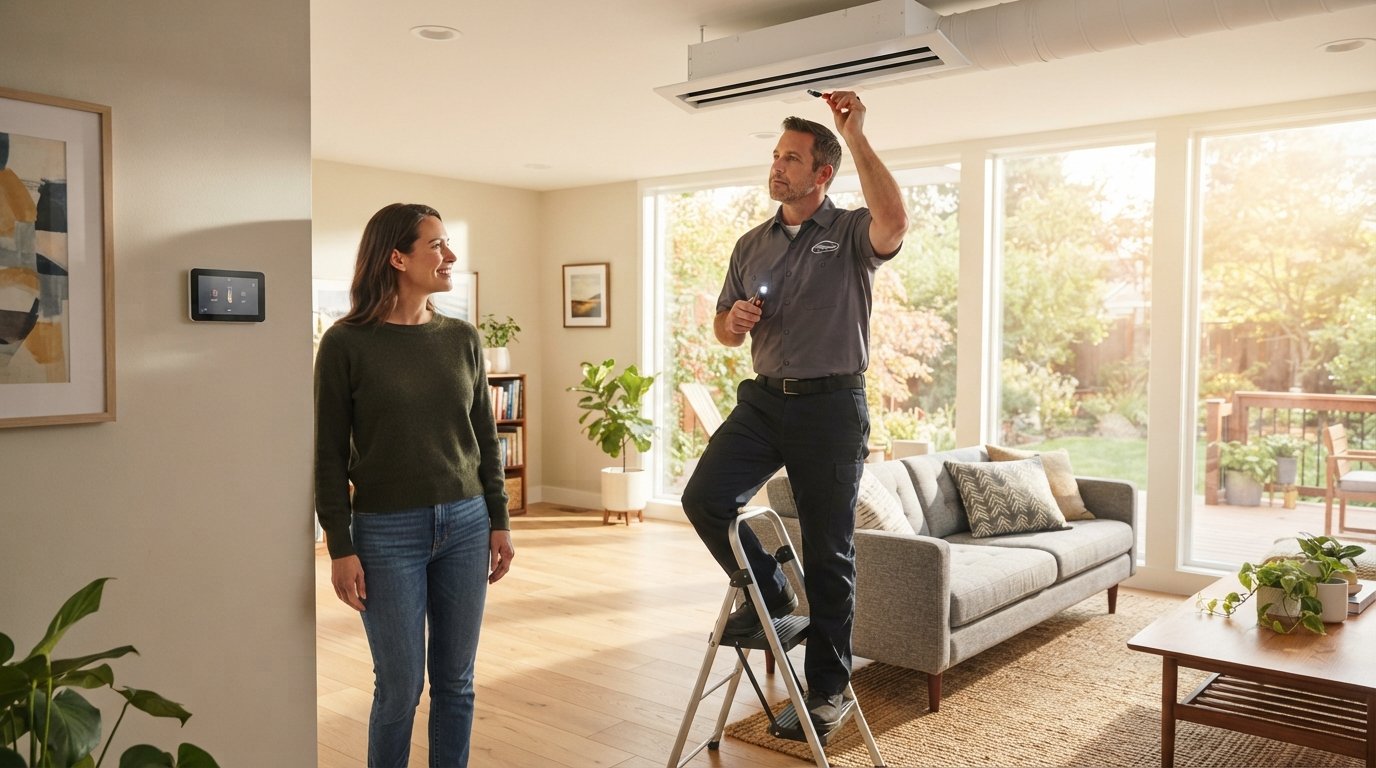
Smart Home Upgrades: Top Projects That Pay Off
Discover the best home improvement projects that deliver real value. Focus on energy savings, durability, and livability to maximize your investment.

By Author 21
Learn more about Smart Home Installation or Repair for guides, costs, and what to expect.
Compare Smart Home Installation or Repair Pros Near You

Enter your ZIP code to compare top-rated local professionals and request free quotes.
Every homeowner reaches a point where the wish list of improvements starts to outgrow the budget. The key is not to prioritize what looks nice, but what works hardest for your money. The best home improvement projects deliver a blend of daily comfort, long-term savings, and a solid return when you eventually sell. They are not always the flashiest additions, but they are the ones that make your home more efficient, more durable, and more enjoyable to live in. This guide breaks down the projects that matter most in 2026, with practical advice on how to approach them without the stress.
Why Some Projects Outperform Others
Not all renovations are created equal. A sparkling new kitchen might win compliments, but a high-efficiency HVAC system quietly saves you hundreds each year. The difference comes down to three factors: energy savings, structural integrity, and livability. When you focus on these three pillars, you naturally choose projects that protect your investment and improve your daily routine.
Energy efficiency is the fastest way to see a return, since reduced utility bills start paying you back from day one. Structural projects, like roofing or window replacement, prevent costly damage down the line. Livability upgrades, such as a remodeled bathroom or added storage, make your home work better for your family. The best home improvement projects combine at least two of these benefits, which is why they stand out from purely cosmetic changes.
Energy Efficiency Upgrades That Cut Monthly Costs
Rising energy prices have made efficiency the top priority for many homeowners. The good news is that several upgrades offer immediate savings and often qualify for rebates or tax credits. Start with an energy audit to identify where your home is losing air and heat. Most auditors use a blower door test and thermal imaging to pinpoint problem areas.
Insulation and Air Sealing
Attic insulation is one of the most cost-effective projects you can undertake. According to the U.S. Department of Energy, properly insulating your attic can reduce heating and cooling costs by up to 15%. Air sealing around windows, doors, and electrical outlets works hand in hand with insulation to stop drafts. While this project is not glamorous, it delivers consistent savings for decades. A professional can complete most homes in a day, and the material costs are relatively low compared to other renovations.
High-Efficiency Windows and Doors
Old, drafty windows are a major source of energy loss. Replacing them with double-pane, low-E coated models improves comfort and reduces noise. Modern windows also come with better framing materials that resist warping and rot. When you choose ENERGY STAR certified products, you can expect to save an average of 12% on your energy bills. The upfront cost is significant, but the combination of energy savings, increased home value, and improved curb appeal makes it one of the best home improvement projects for most households.
Smart Thermostats and Lighting
Smart thermostats learn your schedule and adjust temperatures automatically, cutting HVAC usage by up to 10% annually. They are easy to install and pay for themselves within two years. Similarly, switching to LED bulbs throughout your home reduces lighting energy use by up to 75%. Pair these with smart plugs and motion sensors to eliminate wasted energy when rooms are empty. These small changes require minimal effort but produce measurable results.
Structural Upgrades That Prevent Costly Repairs
Your home's shell is its first line of defense against weather, moisture, and pests. Neglecting structural issues can lead to expensive emergency repairs. Proactive replacement of worn components is always cheaper than dealing with water damage or mold.
Roof Replacement
A roof is your home's most critical protective layer. Asphalt shingle roofs typically last 20 to 25 years, but hail, high winds, and UV exposure can shorten their lifespan. Missing or curling shingles, granules in the gutters, and light in the attic are signs you need a replacement. A new roof not only prevents leaks but also improves insulation and boosts curb appeal. Most homeowners recoup over 60% of the cost at resale, making it a financially sound investment.
Water Heater Upgrade
Water heaters are often overlooked until they fail, usually at the worst possible time. Traditional tank models last 10 to 15 years, while tankless units can last 20 or more. Tankless water heaters heat water on demand, which eliminates standby energy losses and provides endless hot water. Upgrading to an energy-efficient model can save you $100 or more per year. If you are already dealing with an older unit, proactive replacement avoids emergency fees and water damage from leaks.
For homeowners who want to maximize both comfort and efficiency, combining a new water heater with a high-efficiency HVAC system creates a comprehensive energy solution. These two systems account for nearly half of a typical home's energy use, so upgrading both has a dramatic impact on your utility bills.
Kitchen and Bathroom Remodels That Add Real Value
Kitchens and bathrooms are the most used rooms in any home, and they are also the most scrutinized by buyers. A mid-range kitchen remodel recoups about 75% of its cost, while a bathroom remodel averages around 70%. The key is to focus on functionality and timeless design rather than trendy finishes that will date quickly.
Kitchen Refresh vs. Full Remodel
A full kitchen gut renovation is disruptive and expensive. Before committing, consider a refresh: refacing cabinets, replacing countertops, and updating hardware can transform the space for a fraction of the cost. Stainless steel appliances remain a safe bet because they match any style and are widely expected by buyers. Adding a kitchen island increases both workspace and storage, which are top priorities for families. Even simple changes like a new backsplash and modern pendant lighting can make the room feel updated.
Bathroom Upgrades That Matter
Bathrooms are smaller, so remodels cost less and take less time. Focus on the shower or tub area, as this is the main focal point. A walk-in shower with glass doors is a popular upgrade that appeals to aging homeowners. Heated flooring, a dual-flush toilet, and a ventilation fan with a humidity sensor are practical additions that enhance comfort and prevent mold. If your bathroom fixtures are outdated, replacing them with modern, water-efficient models saves water and reduces utility bills.
For those ready to tackle a full bathroom remodel, it is wise to work with a professional contractor who can manage plumbing, electrical, and tiling. A well-executed bathroom remodel creates a spa-like retreat that makes daily routines more enjoyable and significantly boosts your home's resale value. In our guide on money-saving home improvements, we explain how strategic upgrades like these can increase comfort while keeping your budget intact.
Outdoor Living and Curb Appeal Projects
First impressions matter, especially when you are selling. Curb appeal projects are among the best home improvement projects because they are visible from the street and create an immediate positive reaction. Simple tasks like painting the front door, replacing house numbers, and refreshing landscaping cost little but yield high returns.
Deck and Patio Additions
An outdoor living space extends your home's usable square footage without the cost of a full addition. Composite decking requires minimal maintenance and resists rot and insects better than wood. A patio with pavers or stamped concrete creates a durable surface for entertaining. Both options increase your home's livable area and are highly attractive to buyers who enjoy outdoor activities.
Siding and Exterior Paint
Worn or faded siding makes an entire house look neglected. Replacing siding with fiber cement or engineered wood offers durability and a fresh appearance. If your current siding is in good shape, a new coat of exterior paint can work wonders. Choose neutral colors that have broad appeal, and consider adding decorative shutters or trim for extra character.
How to Prioritize Your Project List
With so many possible improvements, it is easy to feel overwhelmed. A structured approach helps you make decisions that align with your budget and goals. Start by listing every project you are considering, then evaluate each one based on the following criteria:
- Cost vs. return: Estimate the upfront expense and the potential increase in home value.
- Energy savings: Calculate how much you might save on utilities each month.
- Urgency: Address safety issues or active leaks before cosmetic upgrades.
- Lifestyle impact: Consider how much you will enjoy the improvement on a daily basis.
Once you have ranked your projects, tackle them in order of impact. If you are planning to sell within five years, prioritize projects with the highest resale value. If you are staying put for the long term, focus on energy efficiency and comfort. Either way, the best home improvement projects are those that align with your personal situation and financial goals.
Financing is another consideration. Some homeowners use cash, while others tap into home equity or personal loans. For large projects like a roof replacement or a full kitchen remodel, getting multiple quotes from reputable contractors is essential. Comparing bids helps you understand fair pricing and gives you leverage to negotiate. 180 Remodel simplifies this process by connecting you with multiple pre-screened contractors in your area, allowing you to compare quotes without spending hours on the phone.
Working With Professionals vs. DIY
DIY can save money on labor, but it comes with risks. Mistakes can lead to costly repairs, and some projects require permits and inspections that professionals know how to navigate. As a rule of thumb, consider DIY for cosmetic projects like painting, landscaping, and installing smart devices. Leave structural, electrical, and plumbing work to licensed experts.
When hiring a contractor, check credentials, read reviews, and ask for references. A written contract should include a detailed scope of work, timeline, and payment schedule. Never pay the full amount upfront; a deposit of 10% to 30% is standard. Good communication is key, so choose a contractor who answers your questions clearly and provides regular updates.
Final Thoughts on Maximizing Your Remodel
Your home should be a source of comfort and pride, not a financial drain. By choosing the best home improvement projects that balance efficiency, durability, and livability, you can enhance your living experience while protecting your investment. Start with a clear plan, prioritize what matters most, and don't hesitate to bring in professionals for the heavy lifting. For a deeper dive into reducing costs and boosting comfort, check out our article on money-saving home upgrades. With the right approach, your home can become more valuable, more efficient, and more enjoyable for years to come.