
Small Home Repairs: When to DIY and When to Call a Pro
Learn to decide on small home repairs when to DIY and when to call a pro, saving money and avoiding costly mistakes.

By Justin Parker
Learn more about Handyman for guides, costs, and what to expect.
Compare Handyman Pros Near You

Enter your ZIP code to compare top-rated local professionals and request free quotes.
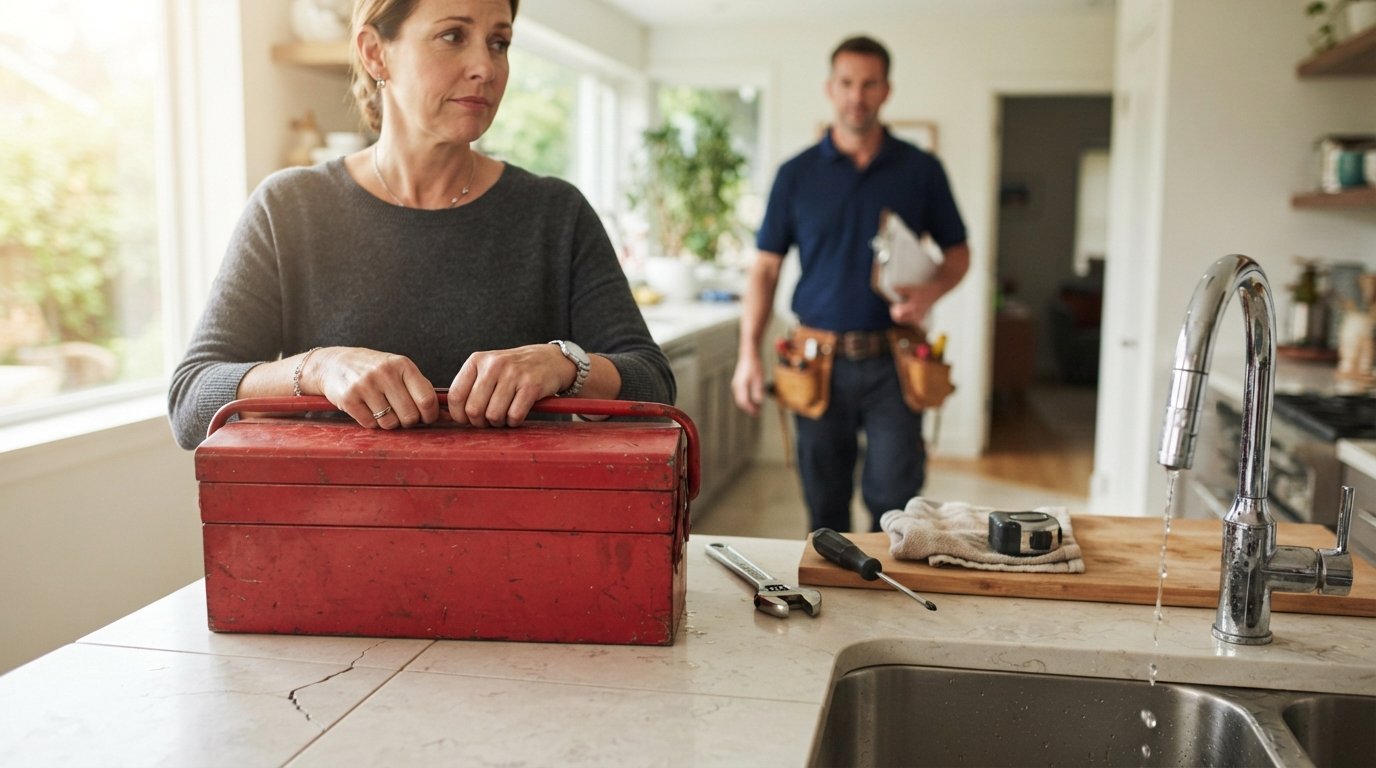
That dripping faucet has been keeping you up at night, and the cracked tile in the hallway is starting to look like a permanent fixture. Small home repairs are part of every homeowner's life, but deciding whether to grab a toolbox or pick up the phone can be surprisingly tricky. Get it right, and you save money and feel a sense of pride. Get it wrong, and a simple fix can turn into an expensive disaster. This guide will help you make that call with confidence, breaking down the key factors that separate safe, smart DIY projects from jobs that deserve a professional's touch.
Start With a Simple Risk Assessment
Before you even think about tools or contractors, take a few minutes to evaluate the repair itself. The primary question is not about your skill level, it is about the potential consequences of a mistake. A wrong move on a minor cosmetic issue is annoying. A wrong move on a plumbing or electrical system can cause water damage, fire risk, or personal injury.
Consider the three C's: cost, complexity, and consequence. If the repair is cheap to attempt, simple to understand, and a failure would only mean a small mess, DIY is a strong option. If any of those factors involve significant money, confusing systems, or serious safety hazards, you should strongly consider calling a professional. For example, fixing a loose cabinet hinge hits all three green lights. Rewiring a ceiling light fixture does not.
Also, check your home's warranty and insurance policies. Some warranties become void if an unlicensed person performs certain repairs. Your insurance may also require professional installation for specific systems, like water heaters or roofing. A quick call to your provider can save you from a denied claim later.
DIY-Friendly Small Home Repairs You Can Tackle This Weekend
Many common household annoyances are perfect for a determined homeowner. These projects usually require only basic tools, have clear instructions, and present minimal risk. Completing them yourself not only saves on labor costs, it also builds your confidence and familiarity with your home's inner workings.
Here is a short list of repairs that generally fall into the safe DIY category:
- Fixing a running toilet: This is often just a matter of replacing the flapper or adjusting the fill valve, parts that cost less than $20.
- Patching small drywall holes: Use a patch kit and some joint compound for nail holes or small dings. Sand, prime, and paint for a seamless finish.
- Replacing a showerhead: Unscrew the old one, wrap the threads of the new one with plumber's tape, and screw it on. It is a 15-minute upgrade.
- Silencing a squeaky door hinge: A drop of WD-40 or a dab of petroleum jelly on the hinge pin usually solves this instantly.
- Cleaning clogged gutters: As long as you have a stable ladder and are comfortable at heights, this is a straightforward seasonal task.
Each of these tasks typically requires no more than a trip to the hardware store and an afternoon of your time. They offer immediate gratification and tangible results, like a quieter bathroom or a cleaner home exterior. Remember to always turn off the water supply before working on any plumbing, even a simple toilet repair. For other tasks, like diagnosing hot water problems, a little careful troubleshooting can go a long way before you ever pick up a phone.
When to Call a Professional: The Red Flags
Certain repairs come with built-in warnings that should stop you in your tracks. If you see any of these signs, your best move is to call a licensed contractor. These situations often involve hidden complexities, strict building codes, or hazards that are not immediately obvious.
Here are the most common red flags that signal a pro is needed:
- Electrical work beyond swapping a fixture: Adding new circuits, upgrading panels, or troubleshooting frequent breaker trips are jobs for a licensed electrician. The risk of electrocution or starting an electrical fire is simply too high.
- Plumbing that involves pipes in walls or under concrete: A leak behind a wall is not a simple fix. It requires cutting into the wall, potentially rerouting pipes, and ensuring everything is up to code to prevent mold and structural damage.
- Structural issues: Cracked foundations, sagging floors, or bowing walls are not cosmetic problems. They point to serious structural stress that needs an engineer's assessment and a contractor's expertise.
- Gas appliance repairs: Any work on gas lines, furnaces, or water heaters should be left to a professional. A small gas leak can be deadly, and improper venting can lead to carbon monoxide poisoning.
- Roofing repairs: Working on a roof is dangerous due to the slope and height. Also, a poorly patched roof can lead to extensive water damage that is far more costly than the original repair.
When you encounter these situations, your goal is not to save money, it is to protect your home and your family. A professional brings the right tools, the right training, and the right insurance to handle the job safely. They also guarantee their work, which gives you peace of mind that the problem is actually solved.
The Real Cost of DIY vs. a Pro
Money is often the deciding factor, but a simple price comparison is a trap. The cheapest option on paper is not always the most affordable in the long run. You need to factor in the value of your time, the cost of tools, and the potential for mistakes.
For a simple repair like a new faucet, the DIY cost is the part price plus maybe $20 for a basin wrench. The pro cost might be $150 to $200 for labor. That seems like a clear win for DIY. However, if you do not have the wrench, install the faucet wrong, and cause a leak under the sink, you now have a bigger problem. The repair cost just jumped to include water damage cleanup, which can be thousands of dollars.
Consider these factors when estimating the real cost of a DIY project:
- Tool investment: Do you already own the saw, the drill bit, the pipe cutter, or the voltage tester? If not, add that cost to your project.
- Your time: Are you spending a full weekend on a job that a pro would finish in two hours? Your time has value, especially if you are missing work or family time.
- Permit and inspection fees: Some repairs, even small ones, require permits. A professional knows when these are needed and will handle the process.
- Warranty and liability: A licensed contractor is insured and bonded. If they break a pipe or cut a wire, their insurance covers it. If you do it, your insurance might cover it, but you will likely face a deductible and higher premiums.
For many homeowners, the peace of mind that comes from a guaranteed, professional installation is worth the extra cost. This is especially true for systems that are expensive to replace, like an HVAC unit or a water heater. For example, a professional can ensure your new water heater is properly vented and meets local codes, something a homeowner might not even know to check.
How to Decide in 5 Minutes
When you are staring at a broken handle or a strange noise, use this simple decision tree to guide your next move. It takes less than five minutes and can save you hours of frustration.
- Identify the system: Is it plumbing, electrical, structural, or cosmetic? If it involves gas, electricity at the panel, or load-bearing walls, call a pro immediately.
- Check your experience: Have you successfully done a similar repair before? If this is your first time, be honest about your skill level. Start with easier projects to build experience.
- Research the repair: Search for a video tutorial or a detailed guide. If the instructions seem straightforward and you have all the tools, you can proceed with confidence.
- Calculate the cost of failure: What is the worst-case scenario if you mess up? If it is a $20 part and a few hours of cleanup, go for it. If it could mean a flooded basement or an electrical fire, stop immediately.
- Get a quote, not a commitment: Call a local contractor and ask for a rough estimate. Sometimes the price is so reasonable that it is not worth your time to do it yourself.
This process helps you move from a gut feeling to a calculated decision. It also gives you a better understanding of what the job entails, which makes you a smarter consumer when you do hire help. You will know what questions to ask and what a fair price looks like.
Building a Healthy Home Maintenance Routine
The best way to handle small home repairs is to prevent them from happening in the first place. A proactive maintenance routine can catch minor issues before they become major expenses. Set aside a few hours each season to inspect your home and address small problems.
Create a simple checklist that includes tasks like checking for leaks under sinks, cleaning the dryer vent, testing smoke detectors, and inspecting the caulking around windows and doors. These checks take minutes but can save you from water damage, fire hazards, and energy loss. When you find a small issue, decide on the spot whether it is a DIY fix or a call to a pro, based on the criteria we have discussed. This habit keeps your home in better shape and makes you a more confident homeowner.
When you do decide to bring in a professional, take the time to choose the right one. Ask for recommendations, check online reviews, and verify licenses and insurance. A reputable contractor will give you a clear written estimate and a timeline for the work. Platforms like USremodel can help connect you with vetted contractors in your area, simplifying the search for a reliable expert.
Ultimately, the line between DIY and pro is not fixed. It shifts with your experience, the complexity of the job, and your comfort level. By approaching each repair with a clear head and a simple framework, you can protect your home, your budget, and your sanity. Remember, a successful repair is not just about saving money, it is about making your home safer and more comfortable for years to come.
So the next time you hear that drip or notice that crack, take a deep breath. Assess the risk, consider the cost, and make your choice. Whether you are wielding a wrench or dialing a contractor, you are taking action to maintain your biggest investment. That is always a smart move.