
Renovation Denver Colorado: A Homeowner’s Practical Guide
A practical homeowner’s guide to renovation in Denver Colorado, covering common problems, warning signs, costs, contractor tips, and long-term benefits.

By Alex Carter
Learn more about General Contracting for guides, costs, and what to expect.
Compare General Contracting Pros Near You

Enter your ZIP code to compare top-rated local professionals and request free quotes.
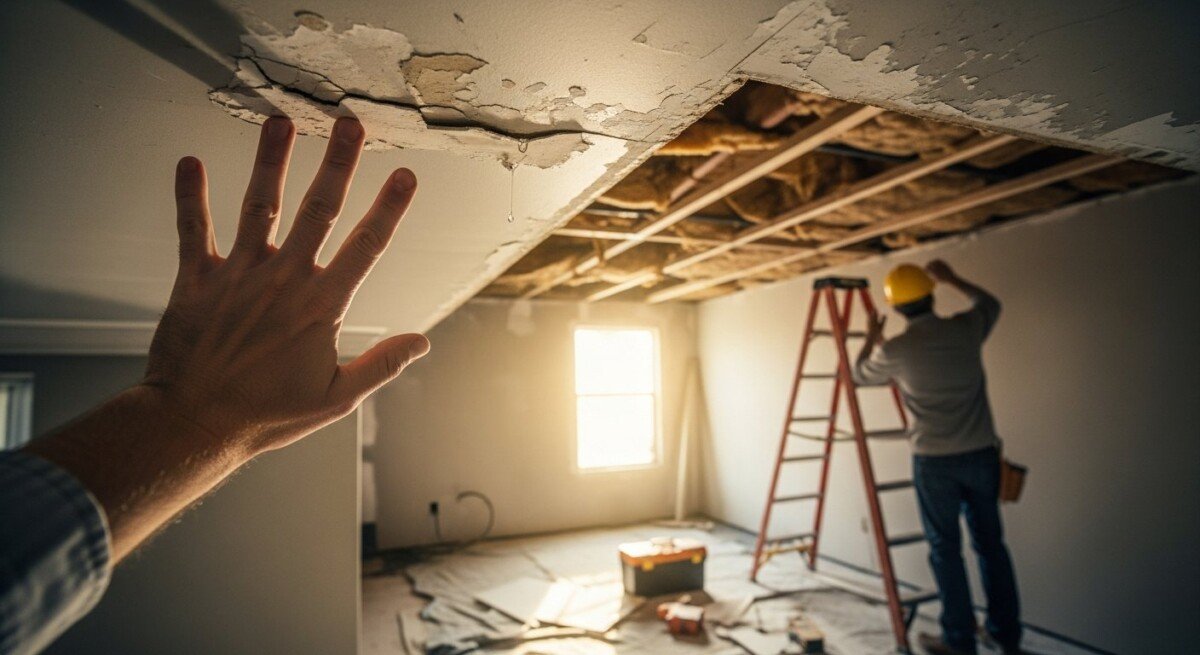
You walk into your living room and notice a small crack in the ceiling. Maybe it’s just a cosmetic issue, you think. A few weeks later, that crack is wider, and you spot a water stain spreading across the drywall. This is a common scenario for homeowners in Denver,what starts as a minor concern can quickly become a major headache. Whether you are dealing with an outdated kitchen, a leaky roof, or a basement that feels damp and musty, renovation in Denver Colorado often reveals hidden problems that need attention. Ignoring these signs can lead to structural damage, mold growth, and higher costs down the road.
Understanding Renovation Denver Colorado
Renovation in Denver Colorado simply means updating or repairing your home to improve its function, appearance, or safety. Because Denver’s climate ranges from hot, dry summers to snowy, freezing winters, homes here face unique stresses. Temperature swings can cause materials like wood and concrete to expand and contract, leading to cracks, leaks, and wear over time.
Many Denver homes were built in different eras, from historic bungalows to mid-century ranches and modern infills. Older homes may have outdated wiring, plumbing, or insulation that no longer meets current standards. Even newer homes can experience issues if they weren’t built to handle Colorado’s intense sun or heavy snow loads. Understanding these local factors helps you plan a renovation that truly protects your home.
Why This Matters for Your Home
Delaying renovation in Denver Colorado can put your property at risk. Water damage from a neglected roof or leaking pipe can rot wood, ruin drywall, and invite pests. Over time, these issues compromise your home’s structural integrity and lower its resale value.
Safety is another concern. Faulty electrical systems, cracked foundations, or worn-out HVAC units can create fire hazards or health problems like poor indoor air quality. Comfort also suffers,drafty windows, inadequate insulation, and outdated fixtures make it harder to keep your home cozy year-round. The longer you wait, the more expensive repairs become. What could have been a simple fix may turn into a full-scale replacement.
If you notice signs of this issue in your home, it may help to speak with a qualified contractor. Request a free quote or call 303-222-9090 to explore your repair or remodeling options.
Common Problems Homeowners Experience
Denver homeowners often discover renovation needs through everyday frustrations. Maybe your kitchen cabinets are falling apart, your bathroom tiles are cracked, or your basement floods every time it rains. These problems aren’t just annoying,they signal deeper issues that need professional attention.
In many cases, the original materials or construction methods are simply past their prime. For example, older windows may be single-pane and drafty, while aging roofs can develop leaks that damage insulation and drywall. Even if your home looks fine on the surface, hidden problems like inadequate insulation or outdated plumbing can waste energy and cause costly water damage.
- Water stains on ceilings or walls from roof leaks or plumbing failures
- Cracks in foundation walls or basement floors that worsen over time
- Drafty rooms and high energy bills due to poor insulation or old windows
- Outdated electrical panels that trip frequently or can’t handle modern appliances
- Mold or mildew odors, especially in basements or bathrooms
- Worn-out flooring that is warped, stained, or unsafe to walk on
How Professionals Solve the Problem
Experienced contractors approach renovation in Denver Colorado with a systematic plan. They start by inspecting your home to identify all issues,visible and hidden. This ensures that the work addresses root causes, not just symptoms.
The typical process includes design, permits, demolition, structural repairs, installation, and finishing. Professionals coordinate each step, from ordering materials to managing subcontractors. They also follow local building codes, which are especially strict in Denver regarding energy efficiency and structural safety.
- Initial inspection and consultation to assess your needs and budget
- Design and material selection, including energy-efficient options
- Obtaining necessary permits from Denver’s building department
- Demolition and removal of old materials, if needed
- Structural repairs, such as framing, drywall, or foundation work
- Installation of new systems, fixtures, and finishes
- Final walkthrough and cleanup to ensure everything meets your expectations
Professional work is safer and more reliable than DIY attempts, especially for complex projects like electrical, plumbing, or structural changes. Contractors have the tools, training, and insurance to handle unexpected issues without putting your home at risk.
A professional inspection can reveal hidden issues before they become expensive repairs. Compare contractor quotes here or call 303-222-9090 to discuss your project.
Warning Signs You Should Not Ignore
Your home often gives clear signals that renovation is needed. Pay attention to changes in how your home looks, feels, or performs. Early detection can save you thousands of dollars and prevent safety hazards.
For example, if you notice a sudden spike in your heating or cooling bills, your home may have insulation gaps or air leaks. Similarly, doors that stick or windows that won’t close properly could indicate foundation shifts or moisture damage. Don’t dismiss these signs as minor annoyances,they are your home’s way of asking for help.
- Water pooling near your foundation after rain or snowmelt
- Peeling paint or wallpaper, especially in bathrooms or basements
- Musty smells that persist even after cleaning
- Frequent circuit breaker trips or flickering lights
- Soft spots or sagging in floors, ceilings, or roofs
- Visible mold or mildew growth on walls, ceilings, or grout
What Affects the Cost of Repairs or Installation
The cost of renovation in Denver Colorado depends on several factors. The size of your project is the biggest driver,a full kitchen remodel costs more than a bathroom refresh. Materials also play a role; premium finishes like quartz countertops or hardwood flooring add to the budget.
Labor costs in Denver are influenced by local demand and the complexity of the work. Projects that require specialized skills,like structural engineering, custom cabinetry, or historic home restoration,will be more expensive. Accessibility matters too; a roof with a steep pitch or a basement with limited access takes longer to work on.
Finally, the age and condition of your home affect pricing. Older homes may need unexpected repairs, such as upgrading old wiring or removing asbestos, which can increase costs. Getting multiple quotes helps you understand the range and choose a fair price.
Costs can vary depending on the condition of your home. The best way to know the price is to get a personalized estimate. Request free quotes from contractors or call 303-222-9090 today.
How to Choose the Right Contractor
Selecting a contractor for your renovation in Denver Colorado is one of the most important decisions you’ll make. A good contractor communicates clearly, delivers quality work, and stays on budget. Start by asking for recommendations from neighbors or friends who have completed similar projects.
Always verify credentials before signing a contract. Licensed contractors in Colorado must meet state requirements, and insurance protects you if something goes wrong. Read online reviews on platforms like Google or Angi to see what past clients say about their experience.
- Check that the contractor holds a valid Colorado license and liability insurance
- Read customer reviews and ask for references from recent projects
- Request detailed written estimates that break down materials, labor, and timeline
- Compare at least three quotes to understand fair pricing and scope differences
- Confirm the contractor has experience with projects similar to yours, such as basement finishing or kitchen remodels
Long-Term Benefits of Professional Work
Investing in professional renovation in Denver Colorado pays off in many ways. Your home becomes safer, more comfortable, and more energy-efficient. Updated systems and materials also last longer, reducing the need for frequent repairs.
Energy-efficient upgrades, such as new windows, insulation, or HVAC systems, lower your monthly utility bills. They also make your home more attractive to future buyers, increasing its resale value. In Denver’s competitive real estate market, a well-maintained home with modern features stands out.
Beyond finances, professional work gives you peace of mind. You can trust that your home is structurally sound, code-compliant, and built to withstand Colorado’s climate. That peace of mind is invaluable, especially during harsh winters or storm seasons.
How long does a typical home renovation in Denver take?
The timeline depends on the scope of work. A bathroom remodel might take 2,4 weeks, while a full kitchen renovation can last 6,10 weeks. Larger projects, like a whole-home renovation, may take several months. Your contractor should provide a clear schedule before work begins.
Do I need a permit for renovation in Denver Colorado?
Yes, most structural, electrical, plumbing, and mechanical work requires a permit from the Denver Building Department. Your contractor should handle the permit process. Skipping permits can lead to fines, delays, and problems when selling your home.
What is the average cost of a kitchen remodel in Denver?
Costs vary widely, but a mid-range kitchen remodel in Denver typically ranges from $25,000 to $50,000. High-end remodels with custom cabinetry, premium appliances, and stone countertops can exceed $75,000. Getting multiple quotes helps you budget accurately.
Can I stay in my home during a renovation?
It depends on the project. Small renovations, like a bathroom or flooring update, are usually manageable while living in the home. Major projects, such as a full kitchen gut or whole-house remodel, may require temporary relocation for safety and convenience.
How do I finance my home renovation in Denver?
Options include home equity loans, personal loans, credit cards, or contractor financing. Some homeowners use cash savings. Your contractor may offer payment plans, but always compare interest rates and terms before committing.
What should I look for in a renovation contract?
A good contract includes a detailed scope of work, materials list, payment schedule, start and completion dates, and warranty information. It should also outline how change orders (additions or changes) will be handled. Never sign without reading every line.
Are there energy-saving incentives for Denver home renovations?
Yes, Xcel Energy and the City of Denver offer rebates for energy-efficient upgrades like insulation, windows, and HVAC systems. Federal tax credits may also apply. Ask your contractor about qualifying products to maximize savings.
How do I prepare my home for a renovation?
Clear the work area of furniture, valuables, and personal items. Protect floors and adjacent rooms with drop cloths or plastic sheeting. Communicate with your contractor about access, parking, and daily schedules. Good preparation reduces stress and delays.
Renovating your home in Denver is a big decision, but addressing issues early saves money and protects your property. Whether you need a small repair or a major remodel, comparing contractor quotes gives you the information you need to move forward with confidence. Start by reaching out to professionals who understand Denver’s unique climate and building challenges. Your home will thank you.
Learn more about General Contracting for guides, costs, and what to expect.
Compare General Contracting Pros Near You
Enter your ZIP code to compare top-rated local professionals and request free quotes.