
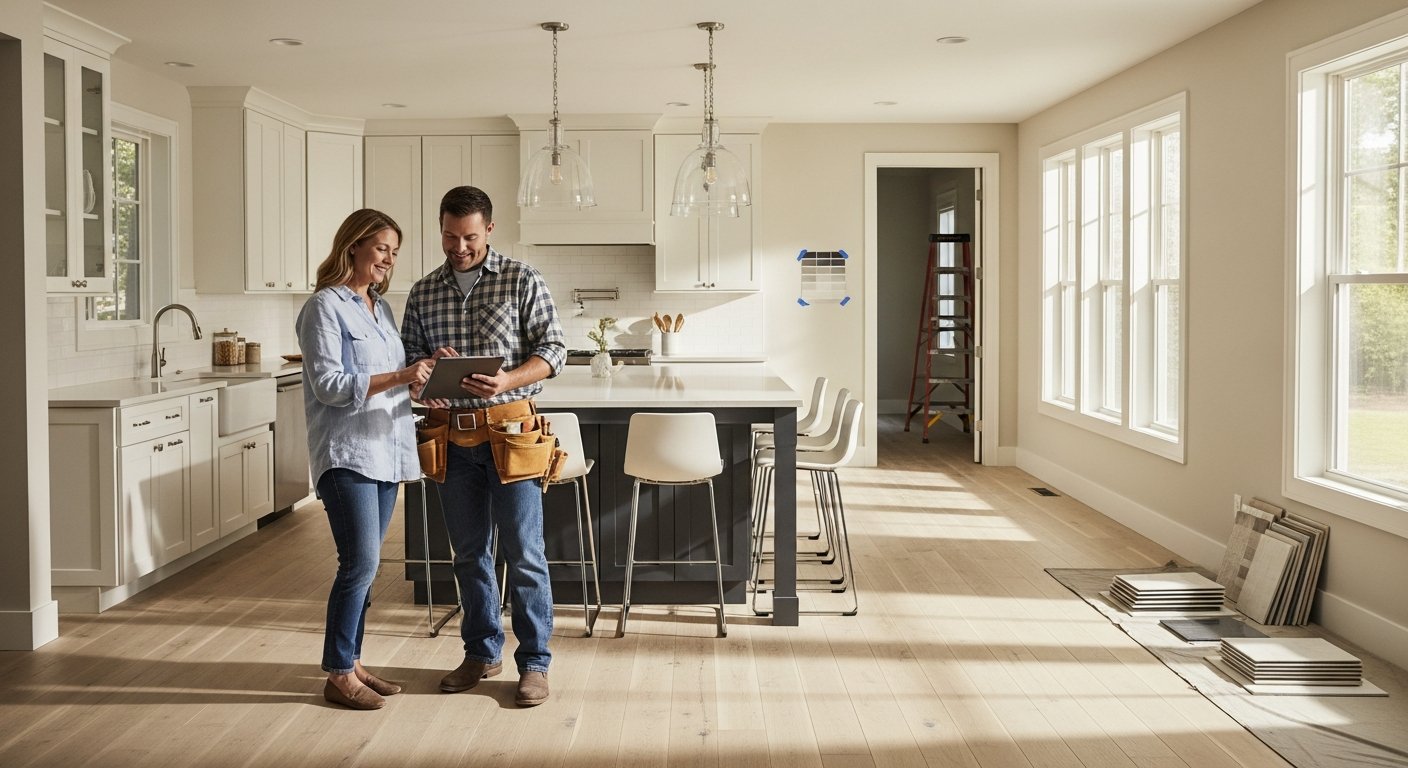
Home Redesign: Smart Renovations That Pay Off in 2026
Discover smart home redesign strategies that boost comfort, efficiency, and resale value in 2026.

By Margaret Lowe
Learn more about Home Remodeling for guides, costs, and what to expect.
Compare Home Remodeling Pros Near You

Enter your ZIP code to compare top-rated local professionals and request free quotes.
Your home is more than a place to sleep. It is the backdrop for family gatherings, quiet mornings, and the daily rhythm of life. But over time, even the most loved spaces can start to feel outdated, inefficient, or simply not aligned with how you live. A thoughtful home redesign can breathe new life into your property, improve functionality, and increase its market value. However, the process involves many decisions, from setting a budget to choosing the right contractor. This guide will walk you through the essential steps of a successful home redesign, helping you avoid common pitfalls and make informed choices that pay off for years to come.
Defining Your Home Redesign Goals
Before you pick paint colors or browse countertop samples, you need to understand why you want to redesign your home. Are you looking to create more space for a growing family? Do you want to modernize an outdated kitchen to make cooking more enjoyable? Or are you preparing to sell and hoping to maximize your return on investment? Each goal leads to a different set of priorities and budget allocations.
Start by listing the problems you want to solve. For example, if your kitchen feels cramped and lacks storage, your redesign should focus on layout and cabinetry rather than just aesthetics. Similarly, if your living room feels dark and unwelcoming, you might prioritize new windows or a lighter color palette. Once you have a clear list of pain points, you can rank them by importance. This ranking will guide your decisions when you face trade-offs, such as choosing between a luxury bathtub and energy-efficient windows when your budget is tight.
A clear vision also helps you communicate with contractors and designers. When you can articulate what you want and why, professionals can offer more accurate quotes and suggestions. They can also point out potential issues you might have missed, such as structural constraints or code requirements. Ultimately, a well-defined goal is the foundation of a home redesign that meets your needs and enhances your daily life.
Budgeting: The Real Cost of a Home Redesign
Money is often the biggest concern for homeowners considering a redesign. It is easy to get excited about a dream kitchen or a spa-like bathroom, but the costs can spiral quickly if you are not careful. A realistic budget is not just a number; it is a plan that accounts for materials, labor, permits, and a contingency fund for unexpected surprises.
As a rule of thumb, set aside 10 to 20 percent of your total budget for unforeseen expenses. Old homes, in particular, can hide issues like outdated wiring, plumbing problems, or structural damage that only become apparent once walls are opened. Without this buffer, you might be forced to make compromises or take on debt mid-project. To get a clearer picture of costs, request itemized quotes from multiple contractors. Compare not just the bottom line but what each quote includes. Some contractors might have lower upfront prices but use cheaper materials or cut corners on labor. Others might offer a higher quote but include premium finishes and a longer warranty.
Another key consideration is financing. Some homeowners use savings, while others tap into home equity loans or lines of credit. If you are planning a major renovation, a home equity loan can offer low interest rates, but it puts your home at risk if you cannot repay it. Alternatively, you might refinance your mortgage to free up cash. Each option has pros and cons, so consult a financial advisor to choose the best path for your situation. What matters most is that you have a clear budget before any work begins, and that you stick to it, even when you are tempted by upgrades that are not essential.
Choosing the Right Contractor: A Critical Decision
Your contractor is the person who will bring your vision to life. A skilled and reliable contractor can make the process smooth, while a poor choice can lead to delays, cost overruns, and subpar workmanship. Therefore, this decision deserves careful attention. Start by asking for recommendations from friends, family, or neighbors who have recently completed similar projects. Online reviews and platforms like the Better Business Bureau can also provide insight into a contractor's reputation.
Once you have a shortlist, interview each candidate. Ask about their experience with projects like yours, their licensing and insurance, and their timeline. A reputable contractor will be happy to provide references from past clients. Follow up with those references and ask about their experience. Did the contractor communicate well? Did they stick to the budget? Were there any issues, and how were they resolved? You can also check with your local building department to see if there are any complaints against the contractor.
When you select a contractor, make sure you have a detailed contract that outlines the scope of work, materials, timeline, payment schedule, and warranty. Avoid contractors who ask for a large down payment upfront. A typical payment schedule might be 10 to 15 percent at signing, with subsequent payments tied to project milestones. For more insights on what to expect when working with professionals, you can read our guide on home redesign contractors when to hire and what to expect. This article covers common questions and red flags to watch for.
The right contractor will not only execute your plan but also offer valuable advice. They might suggest more durable materials or point out a more efficient layout. This collaboration is crucial, because a home redesign is not just about following a blueprint, it is about making smart choices that improve your home's function and value.
Maximizing Space: Design Strategies That Work
One of the most common reasons homeowners pursue a redesign is to gain more usable space. But adding square footage is not always necessary. Sometimes, a smarter layout can make a home feel larger and more functional. The key is to think about how you use each room and how you can improve the flow between them.
Open floor plans have been popular for years because they create a sense of spaciousness and allow natural light to travel through the home. If your budget allows, removing a non-load-bearing wall between a kitchen and living room can transform your space. However, this is a structural change that requires professional evaluation. In contrast, you might achieve a similar effect by using lighter paint colors, adding mirrors, and choosing furniture that does not block sight lines. Another effective strategy is to build in storage solutions that reduce clutter. Custom cabinets, built-in shelving, and multifunctional furniture can make a room feel more organized and open.
Here are a few practical space-maximizing ideas to consider during your redesign:
- Use vertical space with floor-to-ceiling cabinets or shelving.
- Incorporate built-in seating with hidden storage, such as window benches.
- Choose pocket doors instead of traditional swinging doors to save floor space.
- Install a kitchen island with seating and drawers to serve multiple purposes.
- Consider a Murphy bed or fold-down desk for a home office or guest room.
These strategies are especially useful in smaller homes or condos. But even in larger properties, thoughtful space planning can prevent wasted areas and improve daily comfort. For example, a mudroom with built-in cubbies can keep coats and shoes organized, while a walk-in pantry can reduce kitchen clutter. By focusing on how you live, you can design a home that feels both spacious and efficient, without necessarily expanding its footprint.
Energy Efficiency: A Redesign That Saves Money
Home redesign is an ideal time to improve your home's energy efficiency. Upgrading windows, insulation, and heating and cooling systems can reduce your utility bills and increase your comfort. Moreover, these improvements often pay for themselves over time through lower energy costs. They also increase your home's resale value, as buyers are increasingly looking for eco-friendly features.
Start with a home energy audit, which can identify where your home is losing heat or cool air. Common culprits include drafty windows, poorly insulated attics, and gaps around doors. Sealing these leaks is often a low-cost fix that yields immediate savings. Next, consider upgrading to energy-efficient appliances and lighting. LED bulbs, for example, use up to 75 percent less energy than incandescent bulbs and last much longer. If your budget permits, invest in high-efficiency HVAC systems or solar panels. Many states offer rebates and tax credits for these upgrades, making them more affordable.
When you work with a contractor, ask about energy-efficient options for every aspect of your redesign. For instance, you might choose dual-pane windows with low-E coatings, which reduce heat transfer. In the kitchen, look for Energy Star-rated refrigerators and dishwashers. In the bathroom, low-flow toilets and showerheads can cut water usage significantly. These choices not only benefit the environment but also enhance your home's performance. As you plan your redesign, remember that energy efficiency is an investment, not an expense. The savings you accumulate each month can offset the initial costs, and the increased comfort is a bonus. For a deeper look at how contractors can help you achieve these goals, see our article on how home redesign contractors transform your living space. It highlights real-world examples of efficiency upgrades that make a difference.
Trends and Timelessness: Striking the Right Balance
Home design trends come and go, but a well-executed redesign should feel fresh for years, not just until the next fad appears. This is why it is important to distinguish between timeless elements and trendy accents. For example, a classic white kitchen with shaker cabinets has remained popular for decades because it is clean, versatile, and easy to update with accessories. In contrast, a bold colored backsplash or a statement light fixture can be changed more easily when your taste evolves.
When planning your redesign, focus on durable, high-quality materials for the elements that are hard to change, such as flooring, countertops, and cabinetry. These are the features that will define your home's look and function for years. Then, use paint, textiles, and decor to inject personality and follow trends without a major commitment. This approach allows you to enjoy current styles while protecting your investment.
Another consideration is the overall style of your home. A mid-century modern home might not suit a farmhouse-style kitchen, even if that is the latest trend. Instead, work with your home's architecture to create a cohesive look. This does not mean you cannot modernize, but the changes should feel like a natural evolution rather than a jarring contrast. A skilled designer or contractor can help you find this balance, ensuring that your redesign enhances your home's character rather than fighting it.
Ultimately, the goal of a home redesign is to create a space that reflects your personality and meets your needs. Trends can inspire you, but they should not dictate every decision. By blending timeless quality with current touches, you can achieve a home that feels both contemporary and enduring.
Project Management: Keeping Your Redesign on Track
Once your redesign begins, the real challenge is managing the process. Delays, miscommunications, and unexpected issues are common, but they can be minimized with good planning and communication. A clear timeline, regular check-ins, and a single point of contact on the contractor's team can help keep the project moving smoothly.
Set a realistic schedule with your contractor before work begins. Understand that some phases, such as custom cabinetry or specialized tile work, may take longer than others. Build in buffer time for weather delays, material backorders, or permit approvals. During the project, schedule weekly meetings to review progress, address any concerns, and make decisions promptly. If you need to change something, do it as early as possible, because changes made late in the process can be costly and time-consuming.
Keep a detailed record of all agreements, payments, and change orders. This documentation protects you and the contractor if disputes arise. It also helps you track your spending against the budget. If you are living in the home during the renovation, prepare for some disruption. Designate a temporary kitchen or bathroom if necessary, and keep dust and debris contained with plastic sheeting. These small preparations can reduce stress and make the experience more bearable.
A good contractor will handle most of the day-to-day management, but your involvement is still essential. Stay informed, ask questions, and trust your instincts. If something feels off, address it immediately. A successful home redesign is a partnership between you and your contractor, and clear communication is the key to a positive outcome.
Making Your Redesign Sustainable and Future-Ready
Sustainability is more than a buzzword; it is a practical approach that reduces your environmental impact and saves you money. In a home redesign, sustainable choices range from using reclaimed materials to installing smart home systems that optimize energy use. These decisions not only benefit the planet but also create a healthier living environment for you and your family.
Start by choosing eco-friendly materials, such as bamboo flooring, recycled glass countertops, or low-VOC paints. These products are often just as durable and attractive as conventional options, but they have a smaller carbon footprint. Additionally, consider the lifespan of materials. A high-quality roof or siding might cost more upfront, but it can last decades, reducing the need for frequent replacements.
Smart home technology is another way to future-proof your redesign. Programmable thermostats, smart lighting, and energy monitoring systems give you control over your home's energy use, even when you are away. These features are increasingly expected by homebuyers, so they can boost your resale value. When planning your redesign, think about how you will use technology in the future. For example, installing wiring for electric vehicle charging in your garage or adding a smart panel for solar integration can prepare your home for years to come.
Sustainability also involves water conservation. Low-flow fixtures, rainwater harvesting systems, and drought-tolerant landscaping can reduce your water bill and conserve a precious resource. In areas prone to drought, these features are especially valuable. By incorporating these elements into your redesign, you are not just improving your home; you are making a responsible investment in the future.
Final Thoughts on Your Home Redesign Journey
A home redesign is a significant undertaking, but it is also an opportunity to create a space that truly works for you. Whether you are updating a single room or transforming your entire house, the principles are the same: set clear goals, budget realistically, choose the right professionals, and focus on quality and efficiency. Along the way, you will make many decisions, but each one brings you closer to a home that reflects your style and supports your lifestyle.
Remember that a successful redesign is not just about aesthetics. It is about improving functionality, increasing comfort, and adding value to your property. By taking a thoughtful approach and working with experienced contractors, you can avoid common pitfalls and enjoy the process. The result will be a home that you love coming back to, and one that serves you well for years to come.