
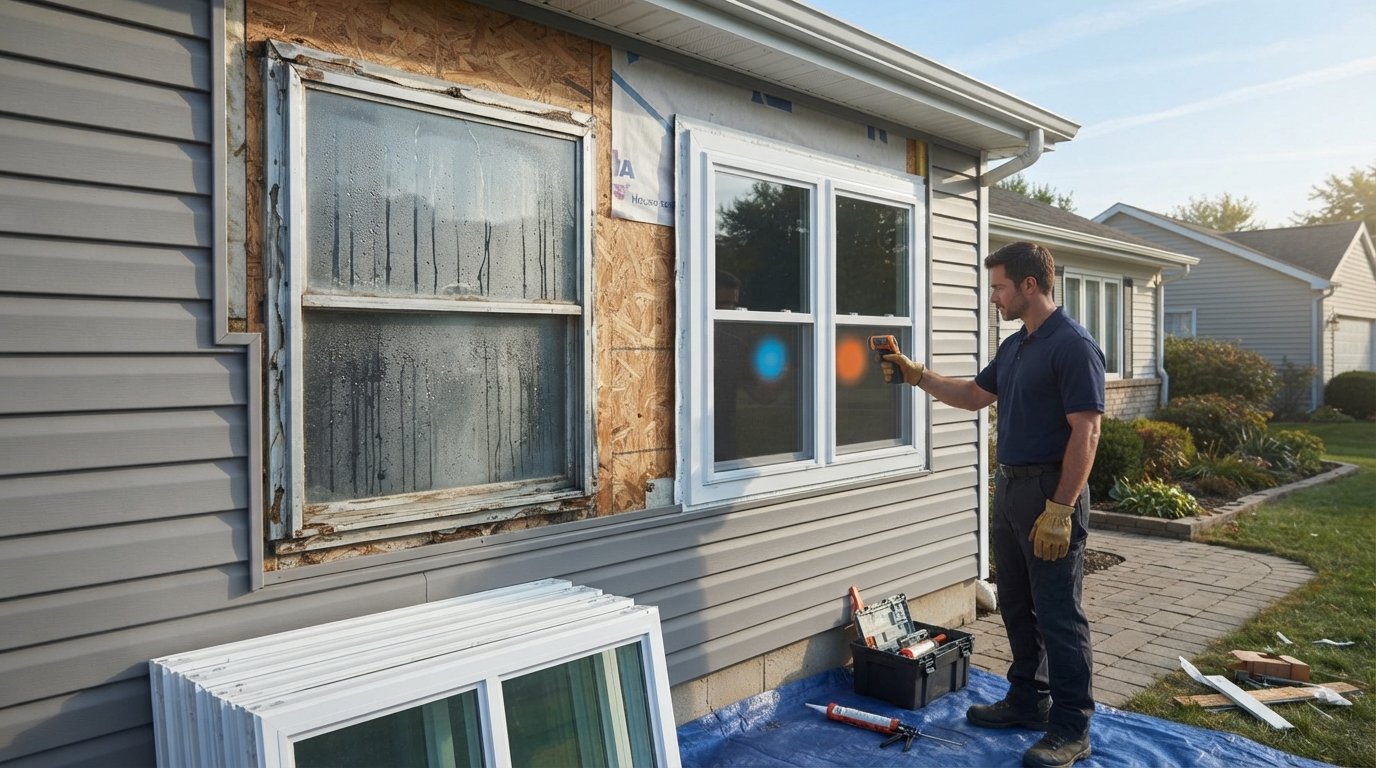
Energy Efficient Window Types Comparison: 2026 Guide
Compare vinyl, wood, aluminum, and fiberglass windows plus double- and triple-pane glazing to find the best energy efficient window types for your home and climate.

By Rachel Green
Learn more about Window Installation for guides, costs, and what to expect.
Compare Window Installation Pros Near You

Enter your ZIP code to compare top-rated local professionals and request free quotes.
When it comes to reducing your home's energy bills, few upgrades deliver the same return on investment as replacing outdated windows. In fact, the U.S. Department of Energy estimates that heat gain and loss through windows account for up to 30% of residential heating and cooling energy use. Yet, navigating the wide array of window styles, frame materials, and glazing options can feel overwhelming. This energy efficient window types comparison breaks down the key differences between the most popular options, helping you make an informed decision that balances upfront cost, longevity, and thermal performance.
The right window for your home depends on your climate, budget, and aesthetic preferences. A double-pane, low-E window in a mild climate may perform differently than the same window in a northern state with harsh winters. By understanding the science behind U-factors, Solar Heat Gain Coefficients (SHGC), and air leakage ratings, you can choose a window that keeps your home comfortable year-round while reducing strain on your HVAC system.
Why Window Efficiency Matters for Your Wallet and Comfort
Windows are more than just a view to the outside. They act as a thermal envelope, controlling the transfer of heat between your interior and the exterior environment. Inefficient windows allow warm air to escape in winter and let unwanted solar heat enter in summer, forcing your heating and cooling systems to work harder. This not only increases your monthly utility bills but also creates uncomfortable drafts, cold spots near glass, and uneven room temperatures.
Beyond comfort, efficient windows contribute to the overall value of your home. Real estate professionals often highlight upgraded windows as a major selling point, as they signal lower future energy costs and reduced maintenance needs. Moreover, many utility companies and government programs offer rebates or tax credits for installing Energy Star certified windows, which can offset part of your investment.
Key Performance Metrics to Compare
Before diving into specific window types, it is essential to understand how manufacturers measure efficiency. The National Fenestration Rating Council (NFRC) provides standardized labels that allow for a fair comparison across different products. Hold a window's NFRC label and you will see several numbers, but the most critical ones for an energy efficient window types comparison are:
- U-Factor: Measures how well a window prevents heat from escaping. Lower numbers indicate better insulation. Look for a U-factor of 0.30 or below in cold climates.
- Solar Heat Gain Coefficient (SHGC): Indicates the fraction of solar radiation that passes through the window. Lower SHGC values (0.25 to 0.40) are ideal for hot climates, while higher values may be beneficial in cold regions to harness free solar heat.
- Visible Transmittance (VT): Rates how much natural light enters the home. A higher VT (closer to 1.0) means more daylight, which can reduce the need for artificial lighting.
- Air Leakage (AL): Measures how much outside air infiltrates through the window assembly. Lower AL values (0.3 or less) indicate a tighter seal.
These metrics work together to define a window's overall thermal performance. For example, a window with a low U-factor but a high SHGC might still cause overheating in summer. Therefore, always consider your regional climate and the orientation of your windows when interpreting these numbers.
Frame Materials: The Backbone of Performance
The frame is the structural component that holds the glass in place, and its material plays a significant role in insulation and longevity. In an energy efficient window types comparison, you will typically encounter four major frame materials: vinyl, wood, aluminum, and fiberglass. Each has distinct pros and cons.
Vinyl Frames
Vinyl frames, made from polyvinyl chloride (PVC), are the most popular choice for replacement windows in the United States. They offer excellent thermal performance because the material is a poor conductor of heat, and many vinyl frames include multi-chambered air pockets that further reduce heat transfer. Vinyl is also low maintenance, as it never needs painting or sealing, and it is resistant to moisture, rot, and insect damage.
However, vinyl frames have some downsides. They can expand and contract with temperature swings, which may affect the seal over time, and they are not as structurally rigid as wood or fiberglass, limiting the maximum size of the window. Additionally, vinyl is available in a limited range of colors, and dark hues may fade or warp under intense sunlight. Despite these minor drawbacks, vinyl offers the best balance of cost, efficiency, and durability for most homeowners.
Wood Frames
Wood frames have been used for centuries and remain a favorite in traditional and historic homes. Wood is a natural insulator, providing good thermal performance, and it offers a warm, classic aesthetic that many homeowners find appealing. Modern wood windows often include a cladding of aluminum or vinyl on the exterior to protect the wood from moisture and reduce maintenance.
The main disadvantages of wood frames are cost and upkeep. High-quality wood windows are typically more expensive than vinyl, and the interior surfaces require periodic painting or staining to prevent rot and water damage. Furthermore, wood is susceptible to swelling and warping in humid climates if not properly sealed. For homeowners who prioritize aesthetics and are willing to invest in maintenance, wood frames can be an excellent choice.
Aluminum Frames
Aluminum frames are lightweight, strong, and durable, making them a common choice for commercial buildings and modern homes. They can accommodate large glass panes and are available in a variety of finishes, including anodized or powder-coated colors. However, aluminum is a highly conductive material, meaning it transfers heat and cold readily. This results in poor thermal performance unless the frame includes a thermal break, which is a plastic or fiberglass insert placed between the interior and exterior parts of the frame.
Even with thermal breaks, aluminum frames generally have higher U-factors than vinyl or wood, making them less energy efficient. They are also prone to condensation on the interior surface in cold climates, which can lead to moisture issues. For energy-conscious homeowners, aluminum is rarely the first recommendation unless the design requires its narrow profile and strength.
Fiberglass Frames
Fiberglass frames are constructed from glass fibers embedded in a resin, creating a material that is incredibly strong and dimensionally stable. Fiberglass has a similar thermal performance to wood but with greater durability and lower maintenance. It does not expand or contract as much as vinyl, and it can be painted to match your home's exterior. Fiberglass frames are also resistant to moisture, rot, and insects.
The primary drawback of fiberglass is its cost. It is often the most expensive frame material, sometimes costing 20% to 30% more than vinyl. Additionally, because fiberglass is so rigid, it requires meticulous installation to ensure a proper fit. For homeowners seeking maximum performance and longevity, fiberglass frames are a top-tier choice, especially in extreme climates where temperature swings are severe.
Glazing Options: Single, Double, and Triple Pane Glass
While the frame provides the structure, the glass is what truly governs a window's energy efficiency. The number of panes, the type of gas between them, and any special coatings all influence how well the window insulates and controls solar heat.
Single-Pane Windows
Single-pane windows consist of one layer of glass and are considered the least efficient option. They offer almost no insulation, allowing heat to pass through easily. In most modern homes, single-pane windows are found only in older buildings or unheated spaces like garages and sheds. Replacing single-pane windows with double or triple-pane units is one of the most impactful energy efficiency upgrades you can make.
Double-Pane Windows
Double-pane windows, also known as insulated glass units (IGUs), feature two panes of glass separated by a spacer. The space between the panes is filled with an inert gas, typically argon or krypton, which is denser than air and reduces heat transfer. Double-pane windows are the standard for new installations and replacement projects because they offer a significant improvement in insulation over single-pane units, while remaining affordable.
The performance of a double-pane window can be further enhanced by low-emissivity (low-E) coatings. These microscopically thin, transparent layers of metal oxide reflect heat back toward its source. In winter, low-E coatings keep indoor heat inside, and in summer, they reflect solar heat away from the home. This dual action makes low-E double-pane windows an excellent choice for most climates.
Triple-Pane Windows
Triple-pane windows add a third layer of glass and an additional gas-filled cavity, providing even greater insulation. They are the most efficient glazing option, with U-factors often below 0.20. Triple-pane windows excel in extremely cold climates, where they significantly reduce heat loss and help maintain a consistent indoor temperature. They also offer better sound insulation, which is a bonus for homes near busy roads or airports.
The main trade-off with triple-pane windows is cost and weight. They are substantially more expensive than double-pane units and are heavier, which can make installation more challenging. Additionally, in milder climates, the energy savings from a third pane may take decades to recoup through lower utility bills. Therefore, triple-pane windows are best suited for homeowners in northern regions or those who prioritize maximum comfort and are willing to pay a premium.
Comparing Window Types: A Side-by-Side Look
To make this energy efficient window types comparison actionable, here is a quick reference of how the various frame and glazing combinations stack up against common performance criteria:
- Vinyl double-pane with low-E: Excellent balance of cost and efficiency; U-factor ranges from 0.25 to 0.29; low maintenance.
- Wood double-pane with low-E: Good thermal performance and classic beauty; U-factor 0.26 to 0.32; requires periodic interior refinishing.
- Aluminum double-pane with thermal break: Moderate efficiency; U-factor 0.35 to 0.50; strong and sleek but prone to condensation.
- Fiberglass triple-pane: Superior insulation and durability; U-factor below 0.20; highest upfront cost.
- Vinyl triple-pane: Near-premium performance at a more accessible price; U-factor 0.18 to 0.22; heavier than double-pane.
As you can see, the choice of frame material and glazing level directly impacts thermal performance and cost. A vinyl double-pane window may be sufficient for a home in Atlanta, whereas a fiberglass triple-pane window could be a wise investment for a cabin in Minnesota. Always consult with a local window professional to determine the best specification for your specific location and home design.
Beyond the Basics: Additional Efficiency Features
Modern windows can incorporate several other technologies that enhance energy efficiency beyond the frame and glass. These features are often worth considering as part of your energy efficient window types comparison:
- Warm-edge spacers: The spacer that separates the panes at the edge of the window can be made from a low-conductivity material like stainless steel or foam, reducing heat loss at the perimeter.
- Gas fills: Argon is the most common gas used, but krypton offers better insulation, albeit at a higher cost. Xenon is even more efficient but rarely used due to its expense.
- Multiple low-E coatings: Some high-performance windows feature two or three low-E layers, each tuned to reflect specific wavelengths of solar radiation, optimizing both insulation and solar control.
- Impact-resistant glass: While not directly a thermal feature, impact glass can prevent air infiltration and improve security, which is a consideration for homeowners in hurricane-prone regions.
When selecting windows, ask your contractor about these features and how they influence the NFRC ratings. Adding warm-edge spacers or upgrading to a krypton gas fill can improve the U-factor by 10% to 15%, sometimes for a modest increase in price.
How to Choose the Right Window for Your Home
With so many options available, narrowing down the choices can be daunting. Here is a step-by-step approach to finding the best energy efficient windows for your home:
- Determine your climate zone. The U.S. Department of Energy has divided the country into four climate zones. Cold climates require a low U-factor (0.27 or lower), while hot climates prioritize a low SHGC (0.25 or below). Mixed climates need a balance of both.
- Set a realistic budget. Remember that windows are a long-term investment. Calculate the potential energy savings over 20 years and compare that to the upfront cost difference between window types. A higher-priced window may pay for itself through lower utility bills.
- Consider your home's architecture. If you have a historic home, wood frames may be required by local regulations. For a modern, minimalist design, aluminum frames offer a sleek profile. Vinyl and fiberglass are versatile enough for most styles.
- Request multiple quotes. Get estimates from at least three reputable window installers in your area. Ensure each quote includes the NFRC label and specifies the frame material, glazing type, and installation method.
- Check for rebates and incentives. Before purchasing, search your local utility company's website for rebates on ENERGY STAR-certified windows. Some states also offer tax credits that can reduce your costs.
Following these steps will help you make a confident decision that meets both your comfort needs and your financial goals. For a broader perspective on high-impact energy upgrades for your home, you might find our article on energy efficient home upgrades that boost comfort and value helpful.
Professional Installation Matters as Much as the Window
Even the most expensive, energy efficient window will underperform if it is not installed correctly. Gaps between the window frame and the rough opening can allow air and moisture to pass through, negating the benefits of the window's thermal features. A professional installer will properly flash and seal the window, ensuring a watertight and airtight fit.
When selecting a contractor, ask about their experience with the specific window type you have chosen. For example, fiberglass windows require special handling to prevent cracking, and triple-pane units are heavy and may need additional support. A skilled installer will also know how to integrate the window with your home's weather-resistant barrier and insulation.
If you are in the market for new windows, consider using a platform like USremodel to connect with vetted window installation professionals in your area. They can match you with contractors who can provide estimates and ensure your windows are installed to the highest standards.
Final Thoughts on Your Efficiency Journey
Choosing the right energy efficient windows is a significant decision that impacts your comfort, utility bills, and property value. This energy efficient window types comparison shows that there is no single “best” window; rather, the ideal choice depends on your local climate, budget, and aesthetic preferences. By understanding the performance metrics, frame materials, and glazing options, you are now equipped to have an informed conversation with a window professional.
Take the time to evaluate your home's specific needs, request competitive bids, and prioritize proper installation. With the right windows, you will enjoy a quieter, more comfortable home and lower energy costs for decades to come. Whether you choose a cost-effective vinyl double-pane or a premium fiberglass triple-pane, the investment in efficiency is a wise one for both your wallet and the environment.